The holiday season is a time of joy and celebration, filled with festive gatherings and delicious feasts. However, the excitement can often come with heightened stress, late nights, and rich foods, all of which can take a toll on your sleep.
As you navigate through office parties, family festivities, and, it’s essential to prioritize rest and relaxation. Discover simple hacks to manage holiday stress, unwind before bed, and maintain mindful eating habits, ensuring that you wake up rejuvenated and ready to embrace all the joy this season has to offer!
Stress Management Techniques
Need a few simple hacks to handle holiday stress? We’re here to help!
Stress is a natural reaction to changes in our daily lives. In this case, the holiday season. When we experience continued stress without rest periods, stress can lead to poor sleep. Thankfully, our minds and bodies can adjust to stress, although sometimes we need a little help relaxing. Try these stress-busting techniques when you’re not quite feeling the holiday spirit:
- Practice Mindfulness: Engage in practices such as meditation, deep breathing, or gentle yoga. These activities can help calm your mind and reduce stress, making it easier to drift off.
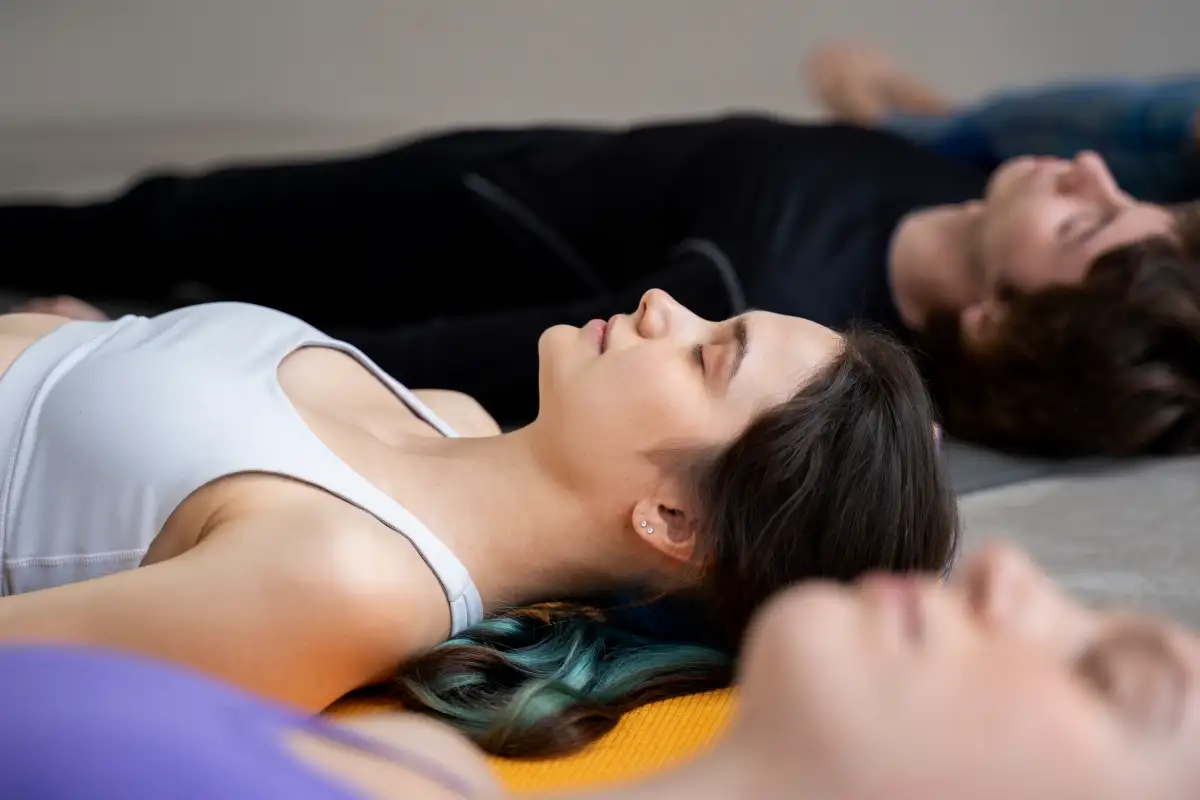
- Body Scan Meditation: Try a body scan meditation to help you release tension and relax. Simply lie down and close your eyes. Notice the sensations in your toes. Slowly move your attention up your body, noticing any areas of tension and relaxing them. Continue until you reach the top of your head.
- Guided Imagery: Use this technique when you need to imagine a more conducive sleep environment. Close your eyes and imagine a calm place, such as a forest or beach. Picture yourself walking around the space while you engage your five senses: sight, hearing, smell, taste, and touch. Spend several minutes in the visualization to allow your mind to relax.
- Keep a Journal: Journaling for 10-15 minutes is a great way to record holiday memories or let go of worries. It can help you relax at the end of a busy day and clear your mind of any lingering stressors before bedtime.
- Take a Warm Bath: Your body temperature rises as you soak in warm water, and the subsequent drop can promote sleepiness.
Unwind Before Bed
Late-night outings and seemingly endless conversations with family and friends can make it difficult to settle down after an exciting day. Instead of tossing and turning, spend 15 to 30 minutes relaxing with quiet, familiar activities that you enjoy.
Don’t forget: It’s important to stay off your devices at least an hour before bedtime. Screens emit blue light, which interferes with your body’s natural melatonin production, making it harder to get to and stay asleep. Instead of reaching for your phone or tablet, try these soothing activities:
- Read: Choose light-hearted reading materials that don’t require too much concentration or brain power.
- Listen to Music: This is one of the only ways you should use a device in the bedroom. Choose a soothing playlist to help you doze off in no time. Place your device out of reach to avoid the temptation to scroll social media or check email.
- Dim the Lights: Use a small lamp next to your bed to provide just enough light for reading or journaling. Otherwise, turn off all the lights, use blackout curtains, and wear a sleep mask. It’s best to sleep in total darkness.
- Breath: Breathing mindfully allows your body to relax and gives your mind permission to let go of the day’s events. Sit or lie down in a comfortable position and close your eyes. Take a deep breath in through your nose while you count to four. Hold your breath for a count of four. Exhale slowly through your mouth for a count of six. Repeat for five to ten minutes.
- Exercise: Don’t go overboard with exercise in the evening, and be sure to wind it down an hour or two before you plan to go to bed. Put together a simple workout routine to calm your mind and body before you head to bed. Consider the plank, glute bridge, bird-dog, child’s pose, and figure-4 stretch.
Mindful Eating and Drinking Practices
You accepted an invitation to attend a friend’s holiday party. As you prepare your dish, you start thinking about all the other foods and drinks that will tempt you to stray from your usual diet. Thankfully, a few slight adjustments can make room for a few indulgences during the holiday season.
- Eat Light in the Evening: Take small portions at holiday parties and eat lighter meals at home. Balance your plate with proteins and high-fiber vegetables and keep starches and fat to a minimum to improve your overall sleep quality.
- Watch the Clock: Timing meals appropriately throughout the day helps keep your circadian rhythm consistent so you get rejuvenating sleep. Eat a healthy, nutritious breakfast in the morning, a protein-packed lunch, and an early dinner as the last meal of the day, preferably between 5 and 7 p.m. Avoid late-night snacking and full meals.
- Pass on Certain Foods: Avoid acidic foods that can cause acid reflux, high-fat foods that leave you feeling overstuffed, and energy-boosting sugary foods during the hours leading up to bedtime. Lay off the spicy condiments and fiery dishes at dinner to avoid heartburn.
- Focus on Essential Vitamins and Minerals: Add these foods to boost your holiday diet:
- Melatonin-rich Foods: Sunflower seeds, alfalfa sprouts, almonds, eggs, goji berries, tart cherries
- Magnesium-rich Foods: Leafy greens and brassicas; Seeds, nuts, and legumes; Milk, yogurt, and some other milk products; Whole grain cereals, oatmeal, and bran flakes; Bananas
- Complex Carbohydrates: Whole grain toast, oatmeal, quinoa
- Omega-3 Fatty Acids: Salmon, mackerel, tuna, herring, sardines; Flaxseed, chia seeds, walnuts; Plant oils like olive and coconut
- Don’t Count on Caffeine: Living on hot coffee or soda during the holidays is not a good idea, especially after lunch. Enjoy coffee at breakfast and switch to water or decaffeinated, sugar-free drinks in the afternoon to avoid a stimulated nervous system, which can make it harder to fall asleep. Drinking caffeine as much as six hours before bedtime can cause sleep disruptions during the night.
- Avoid Alcohol: While you might feel like you fall asleep faster after a night of indulgent drinks, alcohol can disrupt your sleep, leaving you groggy (at best) in the morning.
Consider Natural Sleep Aids Options
Sleep aids such as herbs and supplements can be a good way to help you fall asleep and stay snoozing during the holidays. While all of the following are considered safe for most adults, natural sleep aids can trigger side effects and interact with other herbs, supplements, or medications. For these reasons, you should use herbs and supplements with care—and always under the supervision of a health care provider.
Several herbs have been used for centuries to help people sleep better. After consulting your physician, you might choose the following herbs in teas, tea blends, tinctures, or liquid extracts:
- Valerian Root: Touted for its ability to help you fall asleep, valerian root can help you get better quality sleep.
- Chamomile: If your goal is to sleep through the night with no or fewer awakenings, chamomile might be a good choice for you. However, research doesn’t suggest that it improves sleep duration, sleep efficiency, or daytime functioning.
- Lavender: Studies have shown that using lavender essential oil in aromatherapy can improve sleep quality and lead to more refreshed awakenings. People diagnosed with anxiety disorders who use edible lavender oil orally reported sleeping longer.
- Passionflower: While passionflower has been used for hundreds of years, it’s become more well-known recently as a way to reduce symptoms of insomnia and anxiety.
- Ashwagandha: A long-time natural aid, studies confirm that ashwagandha improves sleep for people with insomnia.
Supplements are available over the counter as tablets, capsules, gummies, and powders. They contain herbs, minerals, botanicals, amino acids, enzymes, and other ingredients to add nutrition to your body. The following supplements are widely used to promote better sleep:
- Melatonin: A well-known supplement that can help you fall asleep slightly faster, melatonin also keeps your sleep-wake schedule intact during holiday travel.
- Magnesium: Research shows that magnesium aids in relaxation by regulating melatonin, binding to GABA receptors to quiet your nervous system, and activating the parasympathetic nervous system.
- L-theanine: L-theanine promotes relaxation and reduces stress and anxiety so you can fall asleep more easily.
- 5-Hydroxytryptophan (5-HTP): 5-HTP is a chemical that your body changes from the amino acid tryptophan (yes, from turkey) to serotonin, the feel-good hormone. Studies show that taking a 5-HTP supplement for six to 12 weeks can help you fall asleep faster and sleep more deeply.
Sleep Great for the Holidays
As the holiday season approaches, it’s important to prioritize your sleep and well-being amid the celebrations. Simple stress management techniques, bedtime unwinding methods, and mindful eating can help you enjoy this joyful time without compromising your health.
Picture waking up refreshed and ready to create lasting memories with loved ones. A good night’s sleep enhances your mood and energy levels, paving the way for joyful days. This season, commit to prioritizing your sleep to fully embrace the beauty of the holidays!